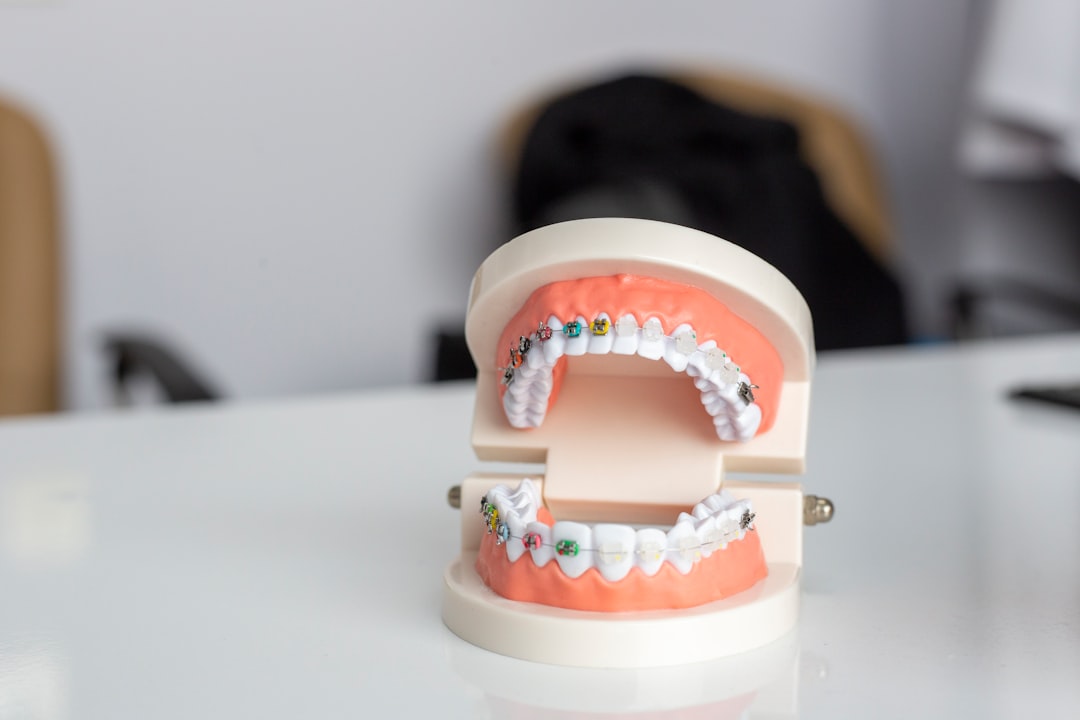
When dental pain strikes, it’s a visceral alarm system, a blaring siren in our mouths that demands immediate attention. The familiar comforts of our routines are suddenly disrupted, replaced by the gnawing discomfort or sharp agony that can make even the simplest tasks feel monumental. For those of us living or visiting the vibrant city of Boston, the question of where to turn when this dental crisis looms is paramount. This guide is designed to equip you with the knowledge and strategies to effectively find a Boston emergency dentist, ensuring that prompt and professional care is within reach when you need it most.
Understanding the Nature of Dental Emergencies
Before we delve into the specifics of finding a dentist, it’s crucial to understand what constitutes a dental emergency. These are situations that require immediate attention to save a tooth, alleviate severe pain, or prevent further damage. They are not minor inconveniences but rather urgent medical issues that can have significant consequences if left untreated. Recognizing these scenarios will help you prioritize your search and communicate the urgency of your situation to dental professionals.
What Qualifies as a Dental Emergency?
Several conditions fall under the umbrella of dental emergencies. These can range from traumatic injuries to sudden, severe pain.
Severed or Knocked-Out Tooth (Avulsed Tooth)
This is perhaps one of the most time-sensitive dental emergencies. If a tooth has been completely dislodged from its socket, immediate action can significantly increase the chances of reimplantation.
- Immediate Steps for a Knocked-Out Tooth: If you find the tooth, handle it only by the crown, avoiding contact with the root. Gently rinse it with milk or saline solution, and if possible, try to reinsert it into the socket. If reinsertion isn’t possible, place the tooth in a container of milk or saliva. Time is of the essence; seek emergency dental care within 30-60 minutes.
Broken or Chipped Tooth
While some minor chips might not constitute a dire emergency, a significant break, especially if accompanied by sharp edges or exposed nerves, requires prompt evaluation.
- Pain Management for a Broken Tooth: If there is bleeding, apply gentle pressure with sterile gauze. Rinse your mouth with warm saltwater. If a piece of the tooth is found, preserve it in milk or saliva to potentially be reattached.
- Signs of Nerve Exposure: Severe throbbing pain, sensitivity to hot and cold, and visible pink or red tissue within the tooth are indicators of nerve involvement.
Severe Toothache or Dental Abscess
An intense, persistent toothache that disrupts sleep or daily activities, especially when accompanied by swelling in the face or jaw, is a clear sign of a problem that needs immediate attention.
- Recognizing the Symptoms of an Abscess: A dental abscess is a pocket of pus caused by bacterial infection. Symptoms include a sudden, intense toothache, swelling of the gums or face, fever, a foul taste in the mouth, and swollen lymph nodes in the neck. An untreated abscess can lead to serious systemic infections.
- Home Care for Toothache Pain: While waiting for an appointment, rinse your mouth with warm saltwater and take over-the-counter pain relievers. Avoid placing aspirin directly on the gum, as it can cause burns.
Lost Filling or Crown
While not always an immediate pain-inducing event, a lost filling or crown can leave the tooth vulnerable to further damage, infection, and sensitivity.
- Temporary Solutions for Lost Fillings: If a filling comes out and the tooth is sensitive, you can try to cover the exposed area with a sugar-free chewing gum or dental wax provided by a pharmacy.
- Protecting a Lost Crown: If a crown becomes dislodged, try to save it. If it can be cleaned and placed back on the tooth without forcing it, this might offer temporary relief. Avoid chewing on that side of your mouth.
Bleeding in the Mouth That Won’t Stop
Uncontrolled bleeding after an injury or oral surgery requires immediate medical intervention.
- Managing Oral Bleeding: Apply firm, direct pressure to the bleeding site with a clean gauze pad or cloth. If the bleeding doesn’t subside after 15-20 minutes, seek emergency care.
Strategies for Finding a Boston Emergency Dentist
When faced with a dental emergency, the initial impulse can be one of panic. However, by having a plan in place, you can navigate this stressful situation with greater efficiency and peace of mind. Boston, like any major city, offers a range of options for emergency dental care, from dedicated emergency clinics to general dentists with emergency protocols.
Utilizing Your Primary Dentist’s Emergency Protocol
Your regular dentist is often the first point of contact for any dental concerns, and this holds true for emergencies as well. Many dental practices have established procedures to handle urgent cases, even outside of regular business hours.
After-Hours Contact Information
- Check Your Dentist’s Website: Most dental practice websites will have a section detailing their emergency procedures, including an after-hours phone number or a specific contact person.
- Voicemail System: If you call during closed hours, listen carefully to the voicemail message. It often provides instructions for reaching an on-call dentist or an emergency answering service.
- Emergency Contact Card: Keep a card with your dentist’s emergency contact information in your wallet or on your refrigerator for quick access.
When Your Primary Dentist Isn’t Available
There will be times when your regular dentist may be on vacation, unavailable, or you may be a visitor to Boston without a local dentist. In these instances, you’ll need to explore alternative avenues for emergency care.
- Referral Services: Your dentist might have a list of other local dentists they recommend for emergency situations when they are unavailable.
- Hospital Emergency Rooms (for specific situations): While hospitals are not equipped for standard dental procedures, they can be essential for severe facial trauma, uncontrolled bleeding, or infections that have spread to other parts of the head and neck. They can stabilize patients and provide initial pain management before referring them to a dental specialist.
Exploring Dedicated Emergency Dental Clinics
Boston has a growing number of dental clinics specifically designed to cater to urgent dental needs. These facilities are equipped to handle a wide range of emergencies and often have extended operating hours.
Benefits of Emergency Dental Clinics
- Immediate Appointments: These clinics are geared towards offering same-day appointments for emergency cases, minimizing wait times.
- Specialized Equipment and Staff: They often have specialized equipment and on-site dental professionals trained to handle acute dental issues.
- Convenient Locations: Many are strategically located in accessible areas of Boston, making them easier to reach.
How to Find Them
- Online Search Engines: Use search terms like “Boston emergency dentist,” “dental urgent care Boston,” or “24-hour dentist Boston.” Pay attention to reviews and ratings to gauge their reputation.
- Dental Directories: Websites like the American Dental Association (ADA) or local dental associations may have directories that can help you locate emergency dental providers.
- Insurance Provider Networks: If you have dental insurance, check with your provider for a list of in-network emergency dental clinics in the Boston area.
Leveraging Local Resources and Networks
Beyond dedicated clinics and your personal dentist, Boston offers a robust network of community resources, public health initiatives, and professional associations that can guide you to emergency dental care.
Community Dental Clinics and Public Health Services
- Low-Cost Options: For individuals facing financial constraints, community dental clinics can be a vital resource. They often offer services on a sliding scale based on income.
- Public Health Departments: Boston’s Public Health Commission may have information on dental care resources, including emergency options for uninsured or underinsured residents.
Dental Schools and Teaching Hospitals
- Affiliated Dental Programs: Boston is home to renowned dental schools like Tufts University School of Dental Medicine and Boston University Henry M. Goldman School of Dental Medicine. These institutions often have clinics that provide care, and some may offer emergency services or direct patients to appropriate facilities.
- Hospital Dental Departments: Major hospitals in Boston with dental departments can be a resource, especially for complex cases or when trauma is involved.
The Process of Seeking Emergency Dental Care
Once you’ve identified potential emergency dentists, the next step is to contact them and navigate the process of receiving care. Understanding what to expect can alleviate anxiety and ensure a smoother experience.
Initial Contact and Triage
The first phone call is critical. It’s your opportunity to explain your situation and for the dental office to assess the urgency of your needs.
What to Tell the Dental Office
- Nature of the Emergency: Clearly describe the problem (e.g., “I have a severely broken tooth and intense pain,” or “My child knocked out a front tooth”).
- Severity of Pain: Quantify your pain level if possible (e.g., “My pain is a 9 out of 10 and I can’t sleep”).
- Bleeding: Mention if there is any uncontrolled bleeding.
- Swelling: Indicate if you have facial or gum swelling.
- Medical History: Be prepared to share relevant medical conditions, allergies, and medications you are currently taking. This information is crucial for safe treatment.
Questions to Ask the Dental Office
- Availability: “Are you able to see me as an emergency patient today?”
- Appointment Time: “What is the earliest appointment you can offer?”
- Location and Directions: “Where are you located, and what are the best directions from my current location?”
- Cost and Payment: “What is the estimated cost of an emergency dental visit, and what payment options do you accept?”
- Insurance: “Do you accept my dental insurance plan?”
What to Bring to Your Emergency Dental Appointment
Being prepared will streamline your visit and ensure the dental team has all the necessary information.
Essential Documents and Information
- Identification: A valid form of photo identification.
- Dental Insurance Card: If you have dental insurance, bring your card for verification.
- List of Medications: A comprehensive list of all current medications, including dosages.
- Medical History Information: If you have a known history of serious medical conditions, bring relevant documentation or be prepared to discuss it.
- Saved Tooth Parts (if applicable): If you were able to save a knocked-out tooth or a piece of a broken tooth, bring it with you.
Personal Comfort Items
While not essential for treatment, some patients find comfort in bringing:
- A book or headphones: To help pass the time if there’s a wait.
- A comforting item: For children experiencing dental emergencies.
Understanding Costs and Insurance Coverage
Dental emergencies can be financially daunting, especially when unexpected. Understanding how insurance and costs work can help you prepare and make informed decisions.
Navigating Dental Insurance
Dental insurance is a crucial tool for managing dental health costs, but its coverage for emergency care can vary.
Emergency Coverage Under Your Plan
- Review Your Policy: Familiarize yourself with your dental insurance policy, paying close attention to the “emergency care” section. Understand what procedures are covered, any waiting periods, and your co-pays or deductibles.
- Pre-Authorization: For more complex procedures, some insurance plans may require pre-authorization, which can be difficult to obtain during an emergency. It’s often best to seek treatment and then submit claims for reimbursement.
- Out-of-Network Providers: If you see an out-of-network provider, your out-of-pocket costs will likely be higher.
What to Do After Treatment
- Billing and Claims: Obtain a detailed bill from the dental provider. Keep all receipts and submit your claims to your insurance company promptly.
- Appealing Denied Claims: If your claim is denied, don’t hesitate to appeal it. Provide any additional documentation or explanations that might support your case.
Financial Considerations for Uninsured Patients
For those without dental insurance, the cost of emergency dental care can be a significant concern. However, there are still avenues to explore for affordable treatment in Boston.
Exploring Payment Plans and Financing
- Dental Office Payment Options: Many dental practices offer payment plans or accept various financing options, such as third-party dental credit lines. Inquire about these possibilities with the office.
- Dental Schools and Community Clinics: As mentioned earlier, dental schools and community dental clinics often provide services at reduced rates or offer sliding scale fees.
Seeking Financial Assistance Programs
- Non-Profit Organizations: Research local non-profit organizations that offer financial assistance for medical or dental care.
- Government Programs: Depending on your income and circumstances, you may qualify for state or federal assistance programs.
Preventing Future Dental Emergencies
While we cannot always prevent accidents, adopting good oral hygiene practices and seeking regular dental care can significantly reduce the likelihood of experiencing a dental emergency.
The Importance of Regular Dental Check-ups
A proactive approach to dental health is the most effective way to sidestep the chaos of an emergency. Regular visits act as a shield, guarding against the erosion of our oral well-being.
Routine Examinations and Cleanings
- Early Detection: Dentists can identify and address potential problems like cavities, gum disease, and cracked teeth in their earliest stages, often before they cause pain or become emergencies.
- Professional Cleaning: Professional cleanings remove plaque and tartar buildup that can lead to more serious issues.
X-rays and Diagnostic Tools
- Internal Issues: X-rays and other diagnostic tools allow dentists to see what’s happening beneath the surface, detecting issues not visible during a visual examination.
- Treatment Planning: Regular use of these tools helps in creating a comprehensive dental health plan tailored to your needs.
Maintaining Excellent Oral Hygiene at Home
The foundation of a healthy smile is built on consistent and effective at-home care. This daily regimen acts as a tireless guardian, warding off the insidious creep of decay and disease.
Brushing and Flossing Techniques
- Twice-Daily Brushing: Brush your teeth for at least two minutes, twice a day, using a fluoride toothpaste. Ensure you are reaching all surfaces of your teeth.
- Daily Flossing: Flossing removes food particles and plaque from between teeth and under the gumline, areas that brushing alone cannot reach.
- Proper Technique: Learn the correct brushing and flossing techniques, as improper methods can be ineffective or even harmful. Ask your dentist or hygienist for a demonstration.
Diet and Lifestyle Factors
- Limit Sugary Foods and Drinks: Sugary items are a primary fuel source for cavity-causing bacteria. Reducing your intake of soda, candy, and even acidic fruits can make a significant difference.
- Avoid Tobacco Products: Smoking and chewing tobacco are detrimental to oral health, increasing the risk of gum disease, oral cancer, and tooth loss.
- Wear a Mouthguard: If you participate in contact sports or grind your teeth at night, wearing a custom-fitted mouthguard can prevent injuries and damage to your teeth.
Finding a Boston emergency dentist, while a stressful necessity, is an achievable goal when you are informed and prepared. By understanding the nature of dental emergencies, knowing your available resources, and maintaining good oral health habits, you are better equipped to navigate these critical situations with confidence. Remember, your oral health is an integral part of your overall well-being, and prompt, appropriate care is key to preserving both.