
We understand. Few experiences are as instantly debilitating as the onset of acute tooth pain. It’s a harsh, unyielding sentinel that demands immediate attention, especially when you’re in a bustling city like Boston. Our aim here is to equip you with the knowledge and resources to navigate such an emergency, ensuring that a sudden dental crisis doesn’t derail your plans or leave you suffering unnecessarily. Think of this as your survival guide for a dental emergency in Boston.
Before we delve into solutions, let’s define what constitutes a dental emergency. It’s not always a dramatic event; sometimes, it’s a slow burn that suddenly erupts into an inferno. We categorize these emergencies based on their severity and the urgency of intervention they demand.
Differentiating Urgent from Non-Urgent Pain
Not all tooth pain necessitates an immediate emergency room visit. We prioritize distinguishing critical situations from those that can wait for a regular dental appointment.
- Urgent Pain: This category includes severe, persistent pain that doesn’t subside with over-the-counter pain relievers, pain accompanied by swelling of the face or jaw, difficulty breathing or swallowing, a knocked-out tooth, a fractured tooth exposing the pulp, or uncontrolled bleeding from the mouth. These are the red flags that wave furiously, demanding our immediate attention.
- Non-Urgent Pain: Milder, intermittent pain, a small chip in a tooth without exposed pulp, or a lost filling without significant discomfort often fall into this category. While still requiring professional attention, these might not warrant a late-night emergency dash. We advise scheduling an appointment as soon as possible, but the time sensitivity is less acute.
Common Causes of Acute Tooth Pain
To effectively manage the pain, we must first understand its potential origins. Identifying the likely cause can also guide our initial self-care steps.
- Dental Caries (Cavities): When decay progresses deep enough to reach the pulp (the innermost layer of the tooth containing nerves and blood vessels), it signals alarm bells in the form of intense pain. This is a common culprit.
- Abscessed Tooth: An infection at the root of a tooth or between the gum and a tooth can lead to a localized collection of pus, forming an abscess. This is a significant source of throbbing, persistent pain, often accompanied by swelling. It’s a pressure cooker situation within your mouth.
- Fractured or Chipped Tooth: A crack or break in a tooth, especially if it extends to the pulp or exposes nerves, can cause sharp, exquisite pain, particularly when chewing or exposed to temperature changes.
- Gum Disease (Periodontitis): Advanced gum disease can cause inflammation and infection of the supporting structures of the teeth, leading to pain and sensitivity.
- Impacted Wisdom Teeth: Wisdom teeth that fail to erupt properly can become impacted, causing pain, inflammation, and potential infection.
- Bruxism (Teeth Grinding): Chronic clenching or grinding of teeth can lead to muscle soreness, jaw pain, and even fractured teeth. It’s a silent stressor that can manifest as significant discomfort.
- Lost Filling or Crown: While often less severe, a lost filling or crown can expose sensitive areas of the tooth, leading to sharp pain or sensitivity.
Immediate Self-Care Measures While in Boston
When tooth pain strikes, our first instinct is often to alleviate the immediate discomfort. While these measures are temporary bridges, they are crucial for buying time until professional help arrives.
Pain Management Strategies
Our primary goal here is to reduce the pain to a manageable level. Think of these as your initial toolkit.
- Over-the-Counter Pain Relievers: Non-steroidal anti-inflammatory drugs (NSAIDs) like ibuprofen (Advil, Motrin) or acetaminophen (Tylenol) are often our first line of defense. We generally recommend ibuprofen due to its anti-inflammatory properties, but always follow dosage instructions carefully.
- Cold Compress: Applying a cold compress to the outside of your cheek, near the affected area, can help reduce swelling and numb the pain. We suggest using an ice pack wrapped in a cloth for 15-20 minutes at a time, with breaks in between.
- Saltwater Rinse: A warm saltwater rinse can be incredibly soothing. Mix half a teaspoon of salt in a glass of warm water and swish it around your mouth for about 30 seconds before spitting it out. This can help clean the area and reduce inflammation, acting like a gentle internal bath.
- Dental Floss: Sometimes, pain is caused by food particles lodged between teeth. Gently flossing around the painful tooth can help dislodge any trapped debris. Be careful not to exacerbate the situation.
- Avoid Trigger Foods/Drinks: Extremely hot, cold, sweet, or acidic foods and drinks can aggravate sensitivity and pain. We advise sticking to soft, lukewarm foods until you can see a dentist.
Protecting the Injured Area
Beyond pain management, we also focus on preventing further damage to the affected tooth.
- Temporary Fillings: Some pharmacies sell temporary dental filling material. If you’ve lost a filling or crown, and the inner tooth is exposed, this can provide a temporary barrier against external irritants. We caution against relying on this for more than a day or two.
- Gauze Pad: For bleeding, gently bite down on a clean piece of gauze. The consistent pressure helps stem the flow.
- Care with Eating: Chew on the opposite side of your mouth to avoid putting pressure on the compromised tooth. This provides a sanctuary for the injured area.
Locating Emergency Dental Care in Boston

Boston, being a major metropolitan area, offers several avenues for emergency dental care. Our focus is on guiding you to the most appropriate and efficient options.
Dental Schools and Clinics
University-affiliated dental schools often provide excellent emergency care, sometimes at a reduced cost, and are equipped with state-of-the-art facilities.
- Tufts University School of Dental Medicine: Located in the heart of Boston (1 Kneeland St, Boston, MA 02111), Tufts offers comprehensive emergency dental services. Their clinics are staffed by residents and faculty, ensuring a high level of expertise. You can typically call their general dentistry clinic for emergency appointments during business hours, and they often have an on-call service for after-hours emergencies.
- Boston University Henry M. Goldman School of Dental Medicine: Another prominent institution (100 E Newton St, Boston, MA 02118), BU’s dental school also provides emergency services. Similar to Tufts, their clinics are teaching facilities, offering a structured and thorough approach to care. We recommend checking their website or calling ahead for their specific emergency protocols and hours.
Dedicated Emergency Dental Practices
Boston also has dental practices specifically designed to handle emergencies, often with extended hours.
- Boston Emergency Dental: These clinics are typically open late and on weekends, understanding that dental emergencies don’t adhere to a 9-to-5 schedule. A quick online search for “Boston emergency dentist” will yield several results. We advise checking their reviews and calling ahead to confirm availability and insurance acceptance.
- Urgent Care Centers with Dental Services: While less common than dedicated dental emergency clinics, some urgent care centers might have a dentist on staff or be able to provide very basic stabilization for severe pain until you can see a specialized dentist. However, this is generally a last resort for definitive dental treatment.
Hospital Emergency Rooms
For severe, life-threatening dental emergencies, the hospital emergency room is our destination of last resort.
- When to Go to the ER: We recommend the ER for situations involving uncontrolled bleeding, severe facial swelling that impacts breathing or swallowing, a suspected jaw fracture, or any dental issue accompanied by systemic symptoms like high fever and chills that could indicate a widespread infection. The ER staff can stabilize the patient, manage pain, and provide antibiotics, but they are typically not equipped for definitive dental procedures like root canals or extractions. Their role is to manage the immediate medical crisis.
- Major Boston Hospitals: Hospitals like Massachusetts General Hospital (MGH), Brigham and Women’s Hospital, and Beth Israel Deaconess Medical Center have robust emergency departments capable of handling these critical situations.
Navigating the Appointment and Treatment Process
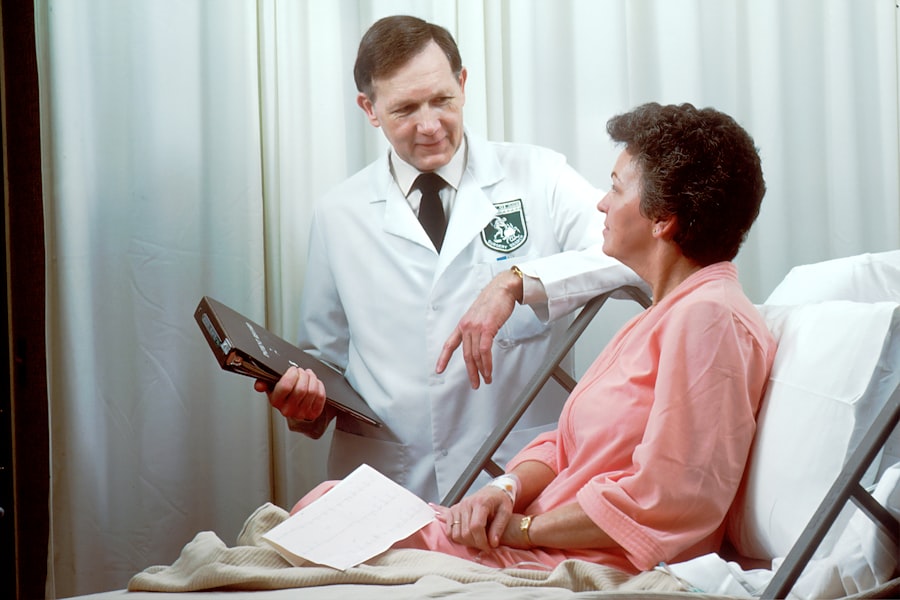
Once you’ve identified a potential care provider, understanding the next steps can alleviate additional stress.
What to Expect During an Emergency Visit
We want you to be prepared for what lies ahead.
- Initial Assessment: Upon arrival, we anticipate a thorough assessment of your symptoms, medical history, and blood pressure. We may be asked about the onset, nature, and intensity of your pain.
- X-rays: Dental X-rays are almost always necessary to visualize the internal structure of the tooth and bone, allowing the dentist to pinpoint the source of the problem, much like a treasure map to the underlying issue.
- Diagnosis and Treatment Plan: Based on the examination and X-rays, the dentist will provide a diagnosis and discuss potential treatment options. These might include prescriptions for antibiotics or pain medication, a temporary filling, drainage of an abscess, or even an emergency extraction if the tooth is beyond saving.
- Follow-Up Care: Emergency treatment often focuses on alleviating pain and addressing the immediate crisis. We should expect to schedule a follow-up appointment for definitive treatment once the acute phase has passed.
Costs and Insurance Considerations
Financial concerns can add to the burden of an emergency. We offer guidance on navigating these aspects.
- Insurance Coverage: We advise contacting your dental insurance provider as soon as possible, or having a family member do so, to understand your coverage for emergency procedures. Be aware that emergency dental visits often incur higher co-pays or deductibles.
- Payment Options: For those without insurance or with limited coverage, discuss payment options with the dental office. Many clinics offer payment plans or accept credit cards. Dental schools sometimes have more affordable rates due to their educational mission.
- Cost Estimation: Ask for an estimated cost of the emergency treatment before proceeding, whenever feasible. While emergencies can be unpredictable, a rough estimate can help us manage financial expectations.
Preventing Future Dental Emergencies
| Metric | Details |
|---|---|
| Average Wait Time for Emergency Appointment | 30-60 minutes |
| Common Causes of Tooth Pain Emergency | Tooth abscess, cracked tooth, severe cavities, gum infection |
| Number of Emergency Dental Clinics in Boston | 15+ |
| Typical Emergency Clinic Hours | 8 AM – 8 PM, Monday to Saturday |
| Percentage of Patients Treated Same Day | 85% |
| Average Duration of Emergency Treatment | 30-45 minutes |
| Most Recommended Immediate Relief Methods | Cold compress, over-the-counter pain relievers, saltwater rinse |
While emergencies are by definition unexpected, we can significantly reduce their likelihood through proactive measures. Prevention, as we often say, is better than cure.
Regular Dental Check-ups and Cleanings
This is the cornerstone of good oral health, our first line of defense.
- Early Detection: Regular visits allow dentists to identify and address potential problems, like cavities or gum disease, before they escalate into emergencies. Small issues are easier and less costly to fix than large ones.
- Professional Cleaning: Regular cleanings remove plaque and tartar buildup, preventing gum disease and maintaining healthy tissues around the teeth.
Good Oral Hygiene Practices
Our daily routine is paramount in maintaining a strong oral foundation.
- Brushing and Flossing: Brushing twice daily with fluoride toothpaste and flossing once a day are non-negotiable. These simple acts remove food particles and plaque, preventing decay and gum inflammation. Think of it as regularly polishing your protective armor.
- Mouthwash: Therapeutic mouthwashes can complement brushing and flossing, reducing bacteria and freshening breath, though they are not a substitute for mechanical cleaning.
Protective Measures
For those participating in activities that could impact oral health, protective measures are essential.
- Mouthguards: If we participate in sports, we should wear a custom-fitted mouthguard to protect our teeth from trauma. This offers a crucial layer of defense against direct impact.
- Nightguards: For those who grind or clench their teeth (bruxism), a nightguard can protect teeth from excessive wear and jaw pain. It’s a silent protector against a grinding habit.
- Dietary Choices: Limiting sugary and acidic foods and drinks can significantly reduce the risk of cavities and enamel erosion. Our diet is a major contributor to, or detractor from, our oral health.
In conclusion, encountering a tooth pain emergency in Boston, or anywhere for that matter, can be a daunting experience. However, by understanding the nature of the pain, taking immediate self-care steps, knowing where to seek professional help, and adopting preventative habits, we can navigate these challenging situations with greater confidence and efficiency. Remember, your oral health is an integral part of your overall well-being, and prompt attention to dental emergencies is always the wisest course of action. We hope this guide serves as a valuable resource in your moment of need.