
Boston, a city steeped in history and innovation, is also a hub for exceptional healthcare. When it comes to dental emergencies, understanding the landscape of urgent dental care is paramount. We, the informed public, recognize that dental pain can strike without warning, turning a routine day into a desperate search for relief. This article aims to illuminate the intricacies of urgent dental care in Boston, providing a beacon of clarity for those navigating the choppy waters of unexpected oral health crises.
Not every ache or sensitivity warrants an emergency room visit or an urgent dental appointment. Just as a small crack in a sidewalk isn’t a sinkhole, a mild twinge in your tooth isn’t necessarily a life-threatening scenario. We need to distinguish between what can wait and what demands immediate attention.
Differentiating Urgent from Routine Dental Problems
We often find ourselves pondering whether our discomfort crosses the threshold into an “emergency.” A nuanced understanding here is key.
- Routine Concerns: These typically involve minor issues that can be addressed during a standard dental appointment. Examples include a small chip that isn’t causing pain, a lost filling that isn’t exposing the nerve, or mild sensitivity to hot or cold that resolves quickly. These are the equivalent of a flat tire that can be patched; inconvenient, but not disastrous.
- Urgent Concerns: These are situations that require prompt attention but are not life-threatening. They often involve significant pain, discomfort, or a risk of worsening if not treated within a short timeframe (usually 24-48 hours). Examples include a severe toothache that keeps you awake at night, a lost crown that exposes sensitive tooth structure, or minor bleeding from the gums after an injury. Think of these as a warning light on your dashboard – you need to pull over soon.
- Emergency Concerns: These are severe, potentially life-threatening situations that demand immediate medical attention. They involve uncontrolled bleeding, severe facial trauma, swelling that affects breathing or swallowing, or suspected jaw fractures. These are the equivalent of your engine catching fire – an immediate and aggressive response is required.
Common Urgent Dental Scenarios We Encounter
We’ve all heard the stories, or perhaps experienced them ourselves. Knowing what to expect can help us act decisively.
- Severe Toothache: This is perhaps the most common reason we seek urgent care. Persistent, throbbing pain that doesn’t subside with over-the-counter pain relievers can indicate an infection, pulpitis, or a cracked tooth. It’s like a persistent drumbeat in your head, signaling something deeply amiss.
- Abscess or Swelling: An abscess is a pocket of pus caused by a bacterial infection, often at the root of a tooth or in the gums. We recognize it by localized swelling, tenderness, and sometimes fever. This is a festering wound that needs immediate drainage and antibiotics to prevent the infection from spreading.
- Chipped, Fractured, or Knocked-Out Teeth: Accidents happen. A fall, a sports injury, or biting down on something hard can result in a damaged tooth. A knocked-out tooth (avulsion) is particularly time-sensitive; if we can get it reimplanted within a certain window, there’s a higher chance of saving it. This is a structural integrity issue, like a beam compromised in a building.
- Lost Filling or Crown: While not always painful, a lost filling or crown exposes the underlying tooth structure, which can lead to sensitivity and further damage if not addressed. It’s like leaving an open wound exposed to the elements.
- Bleeding Gums (Post-Trauma): While routine gum bleeding often indicates gingivitis, significant, uncontrolled bleeding after an injury to the mouth warrants urgent attention. This could be a sign of deeper trauma, not just superficial scratching.
Navigating Boston’s Urgent Dental Care Landscape
Boston offers a wealth of options for urgent dental care, from hospital emergency departments to dedicated dental clinics. Understanding the various avenues available helps us make informed decisions when time is of the essence.
Hospital Emergency Departments: A Last Resort for Dental Emergencies
We, as citizens, might instinctively head to the nearest emergency room (ER) when faced with acute pain. However, for most dental issues, the ER is not the ideal first stop.
- Limited Dental Expertise: While ER doctors are experts in general medicine and trauma, they typically lack the specialized training and equipment of a dentist. They can address pain and infection through medication, but they usually cannot perform restorative dentistry (e.g., fillings, crowns, root canals). It’s like taking your car to an engine mechanic for a flat tire – they can help with the immediate problem but not the specialized repair.
- Focus on Systemic Health: ERs are designed to manage life-threatening conditions. We should only utilize them for dental emergencies that truly compromise our overall health, such as severe infections causing difficulty breathing or swallowing, uncontrolled bleeding, or major facial trauma.
- Potential for Long Wait Times: ERs are often bustling, and our dental condition, unless life-threatening, may not be prioritized over other medical emergencies, leading to lengthy waits. This is a resource with specific priorities, and we must respect that.
Dedicated Urgent Dental Care Clinics in Boston
These clinics are specifically designed to address dental emergencies and often operate with extended hours or on a walk-in basis. They are our frontline defense for most dental crises.
- Specialized Equipment and Staff: Unlike ERs, these clinics are equipped with dental chairs, X-ray machines, and the full range of instruments necessary for comprehensive dental treatment. Dentists and dental hygienists on staff are trained to diagnose and treat a wide array of urgent dental conditions.
- Focus on Dental Issues: Their sole purpose is to address dental problems, meaning quicker diagnosis and more targeted treatment for us. This is a focused sniper, not a broad-shot cannon.
- Variety of Services: We can expect services such as pain management, temporary fillings, extractions, root canal treatment initiation, and reattachment of knocked-out teeth.
Your Primary Dentist: The First Call (If Possible)
We have a relationship with our primary care dentist for a reason. They are often our best resource.
- Familiarity with Your History: Our regular dentist has our complete dental records, imaging, and knows our oral health history, which can be invaluable in a crisis. This is a long-standing friendship that offers deep understanding.
- After-Hours Services: Many dentists in Boston offer emergency contact numbers or direct us to their on-call service after regular office hours. This demonstrates a commitment to patient welfare beyond the 9-to-5.
- Continuity of Care: Seeking care from our primary dentist, even if it’s an urgent appointment, ensures continuity of care and a smoother transition to follow-up treatments. This is a consistent thread in the tapestry of our health.
Dental Schools and Teaching Hospitals
Boston, being a robust educational and medical center, also offers options through its dental schools and teaching hospitals.
- Boston University Henry M. Goldman School of Dental Medicine: We can often find urgent care services here, usually at a reduced cost, as treatment is provided by dental students under the supervision of experienced faculty. This is a learning ground, but with highly skilled overseers.
- Tufts University School of Dental Medicine: Similar to BU, Tufts provides a valuable resource for urgent dental needs, offering comprehensive care through its clinics. We benefit from the academic environment and cutting-edge approaches.
- Massachusetts General Hospital Dental Group: While not solely an emergency department, MGH’s dental group can often accommodate urgent dental needs, particularly for complex cases or those requiring interdisciplinary care. This is a vast medical complex, offering resources beyond pure dentistry.
What to Expect During an Urgent Dental Visit
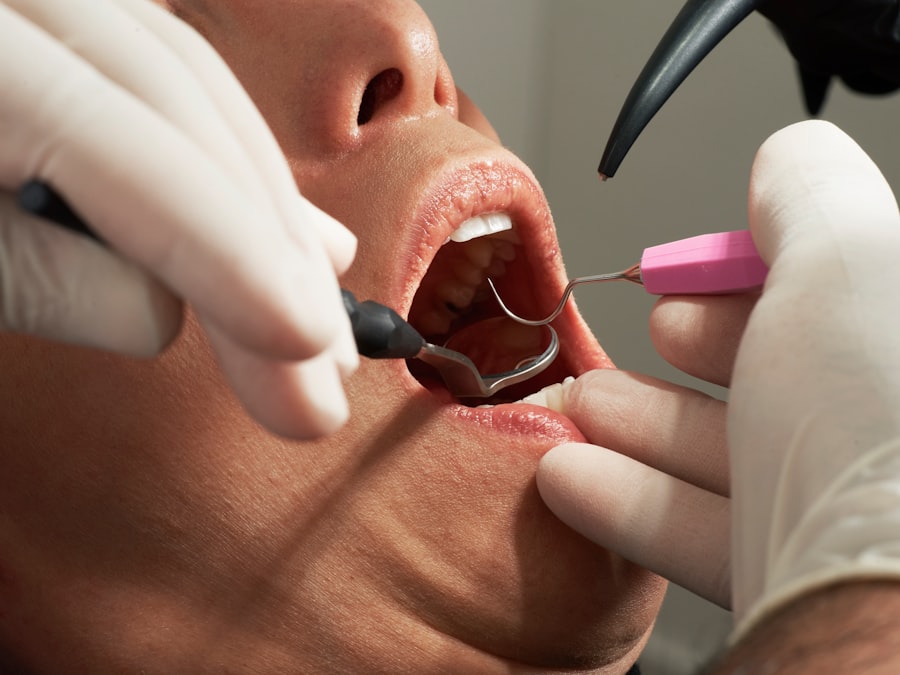
When we arrive at an urgent dental care facility, we should have a clear understanding of the process. This helps to alleviate anxiety and allows us to cooperate effectively with the dental team.
Initial Assessment and Triage
Our first interaction will often involve a brief assessment, similar to how an ER triages patients.
- Information Gathering: We will be asked about our symptoms – when did the pain start, what makes it worse or better, its intensity, and any related circumstances (e.g., injury). This is the detective work phase.
- Medical History Review: We will likely be asked about our medical history, allergies, and current medications, as these can influence treatment options. This forms the canvas on which our treatment is painted.
- Severity Assessment: The dental staff will quickly determine the urgency of our condition to prioritize care, especially if multiple patients are seeking urgent treatment. This is like a traffic controller, directing the flow of needs.
Diagnostic Procedures
Once triaged, we will undergo diagnostic procedures to pinpoint the exact source of our discomfort.
- Radiographs (X-rays): These are indispensable tools for dentists. We will likely have X-rays taken to visualize the tooth roots, bone structure, and identify issues like infections, fractures, or impacted teeth that are not visible to the naked eye. This is the inner eye of the dentist.
- Clinical Examination: The dentist will perform a thorough examination of our mouth, teeth, and gums, gently probing and inspecting the affected area. They might tap on teeth, apply cold or heat, or check for signs of swelling or infection. This is the hands-on investigation.
- Patient Communication: We should expect the dentist to explain their findings clearly and discuss potential treatment options, along with the pros and cons of each. This is a partnership, not a monologue.
Treatment Options for Urgent Dental Problems
The treatment we receive will depend entirely on the diagnosis. We should expect a range of approaches, from symptom relief to definitive repairs.
- Pain Management: This is often our immediate priority. We might receive local anesthesia to numb the area, significantly alleviating pain. Prescription pain relievers may also be provided. This is the swift sword against agony.
- Antibiotics: If an infection (like an abscess) is present, we will likely be prescribed antibiotics to combat the bacteria and reduce swelling. This is the chemical warfare against unseen invaders.
- Temporary Restorations: For issues like a lost filling or crown, a temporary restoration might be placed to protect the tooth until a permanent solution can be arranged. This is a temporary patch, designed to hold the line.
- Drainage of Abscesses: If an abscess is identified, the dentist may drain the pus to relieve pressure and remove the infection. This is like lancing a boil, releasing the trapped poison.
- Root Canal Treatment (Emergency Pulpitis): If the nerve tissue inside a tooth is infected or inflamed (pulpitis), the dentist might initiate root canal treatment to save the tooth. This is deep interior dental work, clearing out the core of the problem.
- Extractions: In severe cases where a tooth is hopelessly damaged or infected and cannot be saved, an extraction may be necessary to alleviate pain and prevent further complications. This is a difficult but sometimes necessary surgical removal.
- Reimplantation of Avulsed Teeth: For a knocked-out tooth, time is critical. If we can get to the dentist quickly with the tooth properly preserved, there’s a chance of reimplantation. This is a race against the clock to restore what was lost.
Costs and Insurance Considerations
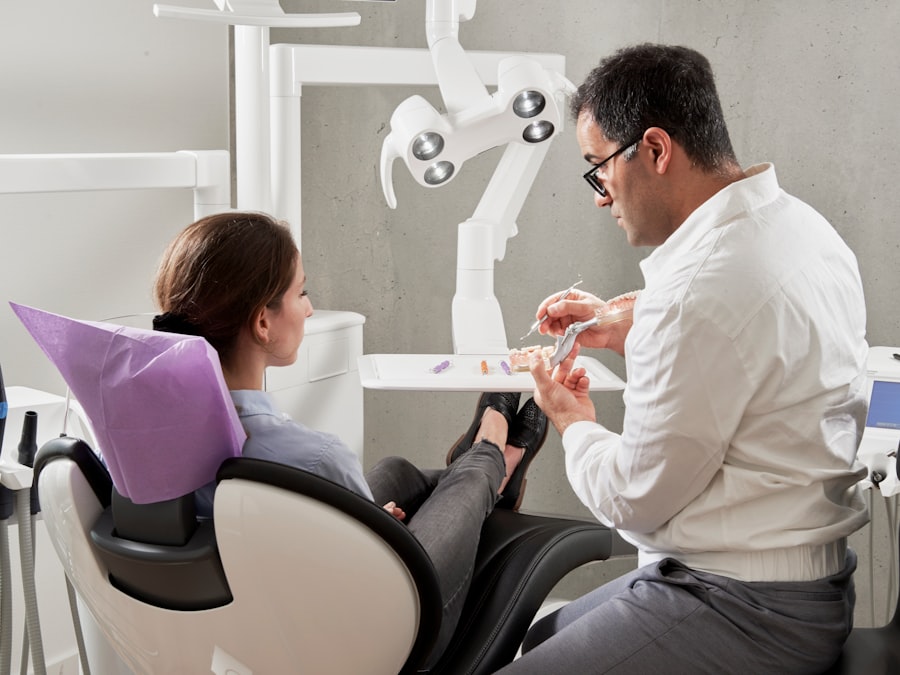
Dealing with a dental emergency is stressful enough without the added worry of financial implications. We need to be prepared for the costs and understand how insurance plays a role.
Understanding the Cost of Urgent Dental Care
The cost of urgent dental care in Boston can vary significantly depending on the facility, the nature of the emergency, and the treatment required.
- Hospital ER Fees: We can expect higher facility fees and potentially separate charges from the consulting physician (if one is called in). Again, the ER is a specialist in general trauma, not specifically dental trauma.
- Urgent Dental Clinic Fees: These clinics typically charge a consultation fee, plus the cost of any diagnostic procedures (X-rays) and the treatment itself. We should ask for an estimated cost breakdown.
- Primary Dentist Fees: Our primary dentist’s fees for urgent care will generally align with their standard rates, though after-hours appointments might incur an additional charge.
- Dental School Clinics: As mentioned, these often offer more affordable rates due to their educational mission.
Navigating Dental Insurance for Emergencies
Dental insurance can be a complex beast, especially when an urgent situation arises.
- PPO vs. HMO: We should understand our plan type. PPO (Preferred Provider Organization) plans offer more flexibility in choosing a dentist, often covering a portion of out-of-network care. HMO (Health Maintenance Organization) plans usually require us to see dentists within a specific network or a pre-assigned general dentist.
- Deductibles and Co-pays: We will likely be responsible for a deductible (the amount we pay out-of-pocket before insurance starts covering costs) and a co-pay (a fixed amount we pay for each visit or service).
- Coverage for Emergency Procedures: Most dental insurance plans cover a percentage of emergency diagnostic and pain-relief procedures. However, major restorative work (like crowns or extensive root canals) might be covered at a lower percentage or require a separate waiting period. It’s crucial to review our policy document or call our insurance provider.
- Out-of-Pocket Maxima: Most plans have an annual out-of-pocket maximum, which is the most we’ll have to pay in a plan year before the insurance company covers 100% of eligible costs.
- Verification of Benefits: We should always try to verify our benefits with our insurance company beforehand, even in an emergency, if time permits. The urgent care clinic might also assist with this.
Payment Plans and Financial Assistance
If we lack insurance or face significant out-of-pocket costs, several options may be available.
- Payment Plans: Many dental offices and clinics offer in-house payment plans, allowing us to spread the cost of treatment over several months.
- Dental Credit Cards (e.g., CareCredit): These specialized credit cards offer promotional financing options, often with deferred interest for a set period, to help manage healthcare expenses.
- Community Health Centers: Boston has several community health centers that provide dental care on a sliding scale based on income, a vital resource for those with limited means.
- Negotiating with Providers: We might be able to negotiate a discount for upfront payment or inquire about reduced fees for certain services, especially at dental schools.
Preventing Future Dental Emergencies: A Proactive Approach
| Metric | Details |
|---|---|
| Average Wait Time | 30-45 minutes |
| Common Urgent Dental Issues | Toothache, Broken Tooth, Abscess, Lost Filling, Severe Gum Pain |
| Number of Urgent Care Clinics in Boston | 15+ |
| Typical Hours of Operation | 8 AM – 8 PM (Weekdays), 9 AM – 5 PM (Weekends) |
| Average Cost of Urgent Dental Visit | 100 – 300 (varies by treatment) |
| Most Common Treatments | Emergency Extractions, Root Canals, Temporary Fillings, Pain Management |
| Insurance Accepted | Most major dental insurances, Medicaid, and self-pay options |
| Emergency Contact Number | (617) 555-1234 |
While we appreciate knowing where to turn in a crisis, the best strategy is always prevention. We, as mindful individuals, must recognize that dental emergencies are often the culmination of neglect or unforeseen accidents that can nonetheless be mitigated.
Maintaining Excellent Oral Hygiene
The cornerstone of preventing dental emergencies lies in consistent and effective oral hygiene.
- Brushing Twice Daily: We must commit to brushing our teeth thoroughly for at least two minutes, twice a day, using a fluoride toothpaste. This is our daily armor against decay.
- Flossing Daily: Flossing removes plaque and food particles from between teeth and under the gum line, areas our toothbrush can’t reach. Neglecting this is like cleaning the front yard but leaving the backyard a mess.
- Using Mouthwash: An antiseptic mouthwash can further reduce bacteria and plaque build-up, offering an additional layer of protection.
Regular Dental Check-ups and Cleanings
These routine visits are not just about cleaning; they are vital diagnostic opportunities.
- Early Detection: Our dentist can identify and address minor issues like small cavities or gum inflammation before they escalate into painful emergencies. This is the early warning system.
- Professional Cleanings: Dental hygienists remove stubborn plaque and tartar that even the most diligent brushing and flossing can’t tackle, preventing gum disease and cavities.
- Comprehensive Examinations: These include checking for signs of oral cancer, assessing bite alignment, and evaluating the condition of existing restorations.
Protective Measures for Specific Activities
Life in Boston, whether active or sedentary, can present risks to our oral health.
- Sports Mouthguards: If we participate in contact sports or even high-impact activities, a custom-fitted mouthguard is an inexpensive yet incredibly effective shield against chipped, fractured, or knocked-out teeth. This is our dental airbag.
- Nightguards for Bruxism: If we grind or clench our teeth at night (bruxism), a nightguard can protect our teeth from excessive wear, cracks, and jaw pain, preventing structural damage over time. This is a shock absorber for our bite.
- Avoiding Hard Foods: While we enjoy a robust diet, being mindful of extremely hard foods (e.g., unpopped popcorn kernels, ice, hard candy) can prevent unexpected tooth fractures. This is appreciating the power of leverage, and being wary of its destructive potential.
Mindful Eating Habits
Our diet plays a significant role in our oral health.
- Limiting Sugary Foods and Drinks: Sugar feeds the bacteria that cause tooth decay. Reducing our intake, especially of sticky candies and sugary sodas, significantly lowers our risk of cavities. This is about cutting off the supply chain to the enemy.
- Balanced Diet: A diet rich in fruits, vegetables, lean proteins, and dairy provides essential vitamins and minerals for strong teeth and healthy gums. This is building a strong foundation from the inside out.
In the complex tapestry of our daily lives, a dental emergency can feel like a sudden unraveling. By understanding what constitutes an emergency, knowing the resources available in Boston, preparing for the procedural and financial aspects, and most importantly, diligently practicing preventative care, we empower ourselves to navigate these unexpected challenges with confidence and composure. Our oral health is an invaluable asset, and by being informed and proactive, we can safeguard it effectively.